Fasting Before a Blood Test: Which Tests Need It and for How Long
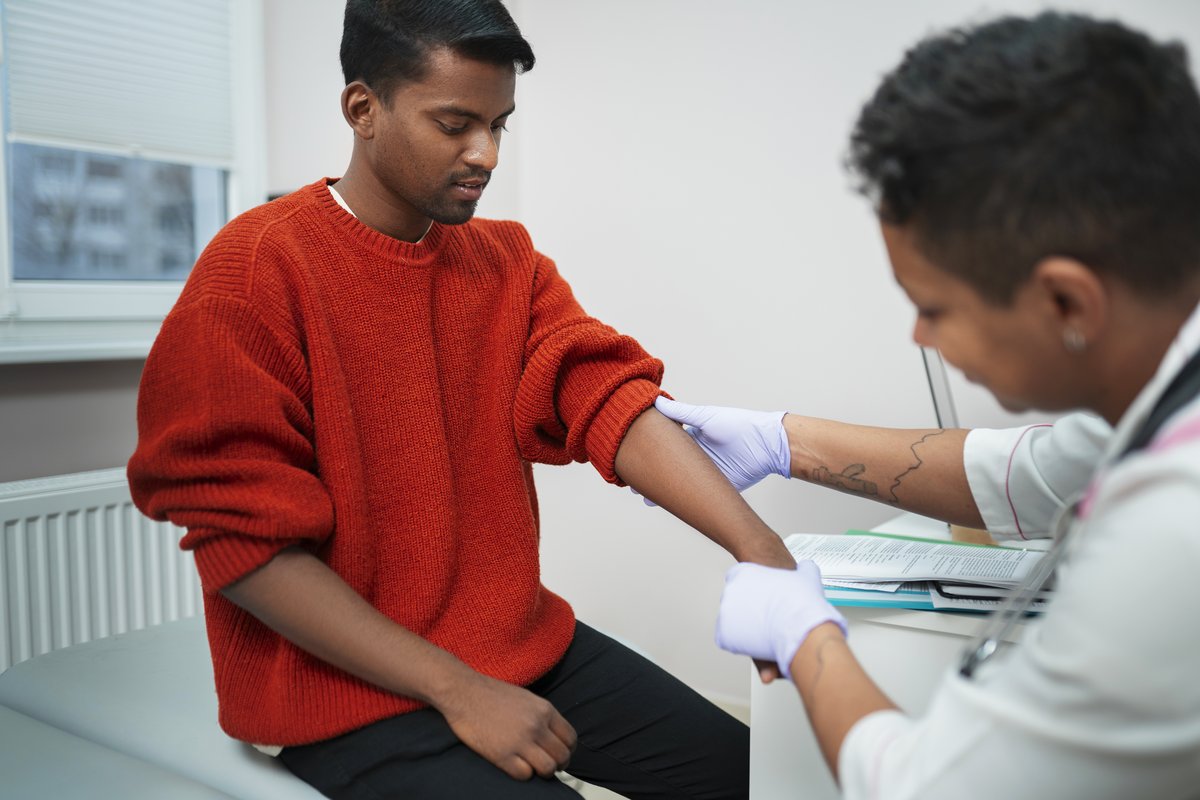
If your doctor has advised a blood test, it is important to know whether you need to fast beforehand. For certain tests, you may be asked not to eat or drink anything except water for a few hours before giving your sample. This is called a fasting blood test.
Why does fasting matter? After you eat, your blood absorbs nutrients from food and carries them around the body. The presence of these fresh nutrients can alter some test results, so the numbers no longer reflect your true baseline. Inaccurate results can lead to a wrong diagnosis — meaning you could be treated for a condition you do not actually have. Fasting helps ensure the results are accurate.
Which Blood Tests Require Fasting?
The following common blood tests usually require you to fast:
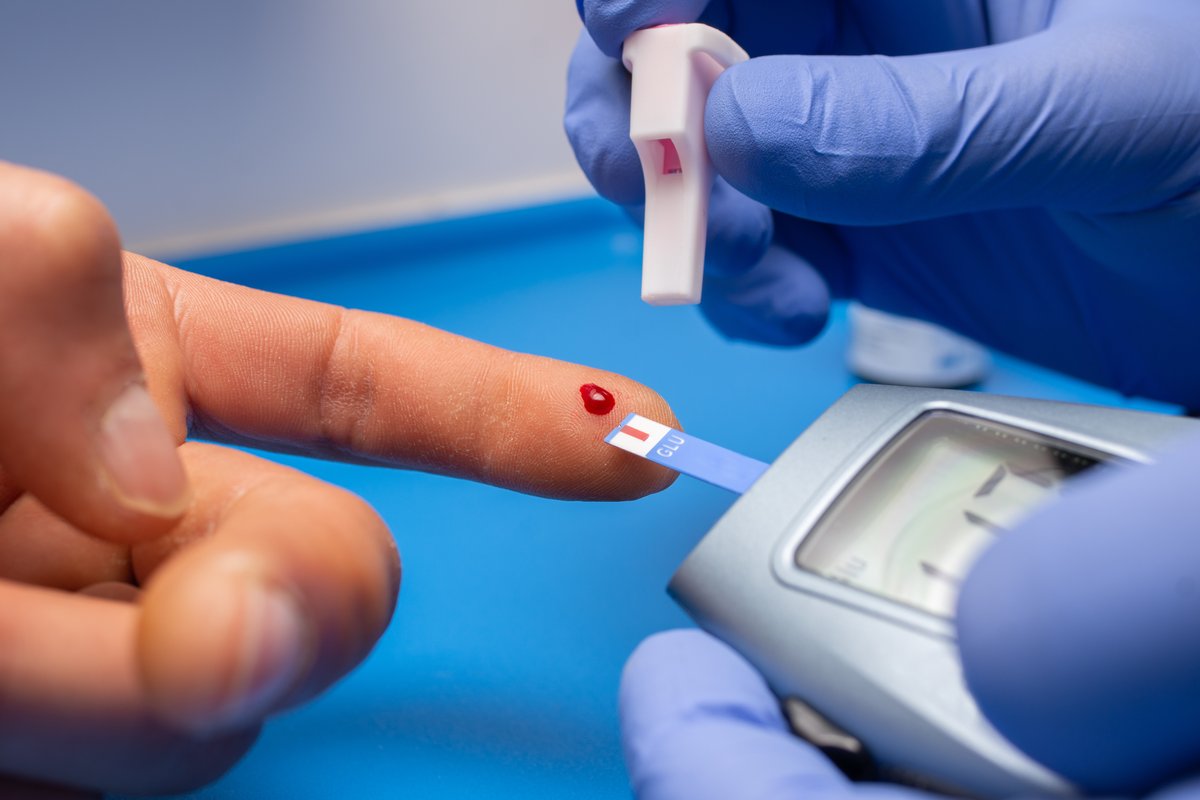
Blood Glucose (Sugar) Test
A blood glucose test is used to diagnose and monitor diabetes. For accurate readings, you should not eat or drink anything except water for at least 8–10 hours before the test. Skipping the fast can show falsely high sugar levels and cause unnecessary worry.
Iron Blood Test
An iron blood test helps diagnose iron deficiency, a common cause of anaemia. You are usually expected to fast for at least 8 hours, and the test is best done in the morning. Because the body absorbs iron quickly, iron supplements should be avoided for 24 hours before the test.
Lipid Profile
A lipid profile measures total cholesterol, including good cholesterol (HDL), bad cholesterol (LDL) and triglycerides. For this test, you are usually advised not to eat or drink anything except water for 9–12 hours beforehand. Avoid alcohol in any form for 24 hours before giving your sample.
Vitamin B12 Test
For a vitamin B12 blood test, you may be asked to fast for at least 10 hours. A lack of vitamin B12 can cause a type of anaemia that also affects the nervous system, so accurate measurement matters.
How Long Should I Fast Before a Blood Test?
The fasting period is not the same for every test. Some tests need 8–10 hours, while others may require up to 12–14 hours. Always follow the specific advice given by your doctor or the laboratory.
Understanding fasting requirements is the key to accurate results. You can review the preparation needed for individual tests on our services page, or contact us and our team will guide you when you book. Home sample collection is available across Delhi & Noida — and early-morning slots work well for fasting tests.