Dengue, Malaria, Typhoid or Chikungunya? Which Test for Monsoon Fever
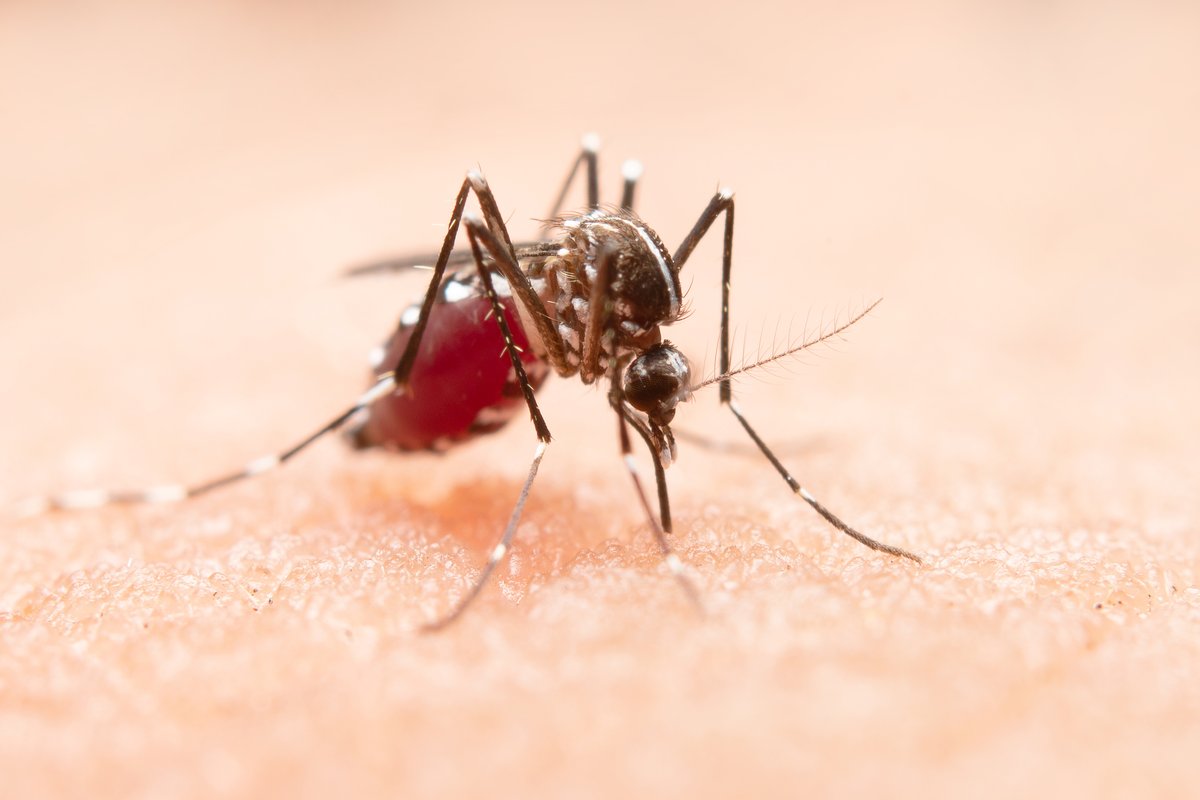
The monsoon brings welcome relief from the summer heat — but also a rise in viral and bacterial infections. Stagnant water, high humidity and increased mosquito breeding make people more vulnerable to illnesses such as dengue, malaria, typhoid and chikungunya. The first warning sign of most of these is fever.
To work out whether a fever is a simple viral illness or something more serious, doctors often start with a Complete Blood Count (CBC), then confirm with a specific test. Here is a breakdown of each illness and the test that confirms it.
Dengue
Dengue causes a high-grade fever, often with severe joint pain, dizziness, backache and chills. If it is not treated in time, it can become life-threatening, progressing to dengue haemorrhagic fever or dengue shock syndrome.
Doctors usually recommend the dengue NS1 antigen test in the first few days of illness. A positive result indicates an active dengue infection.
Malaria
Malaria is an infectious disease spread by mosquito bites and caused by the Plasmodium parasite. Common symptoms include severe chills and shivering, headache and intense body pain. Left untreated, it too can become life-threatening, leading to breathing problems, organ failure or, rarely, brain involvement.
A blood test is used to detect the infection. A positive result confirms a parasitic infection, while a negative result suggests no infection.
Typhoid
Typhoid is a bacterial infection caused by consuming contaminated food or water, and it can spread to several organs. Common symptoms include high fever, malaise, headache, and constipation or diarrhoea. Some people develop rose-coloured spots on the chest, or an enlarged spleen and liver.
A Widal test is used to check for the bacteria that cause typhoid by detecting antibodies in the blood. Severe cases may require hospitalisation.
Chikungunya
Chikungunya is a viral infection spread mainly by mosquitoes. Its symptoms include high fever, severe joint pain, rashes and headache. A chikungunya IgM test is used to confirm the diagnosis by detecting IgM antibodies that the body produces in response to a recent infection — usually positive from around day 5–6 of illness.
Whether it turns out to be dengue, malaria, typhoid or chikungunya, a CBC is a reliable first step to investigate viral and bacterial infections. Based on your diagnosis, your doctor may prescribe medication; severe cases need hospital care and close monitoring.
If you have a monsoon fever lasting more than a day or two, do not wait — book a fever panel at our NABL-accredited lab. Explore our serology tests or contact us for fast reporting and home sample collection across Delhi & Noida.